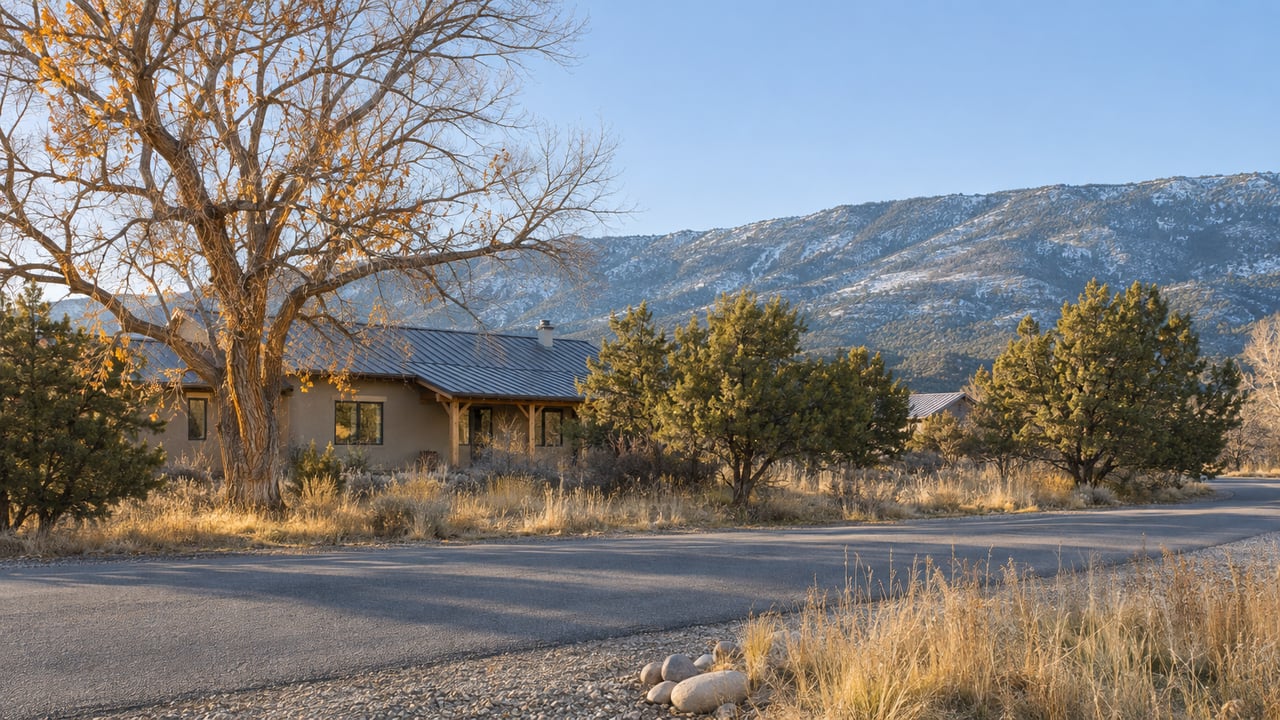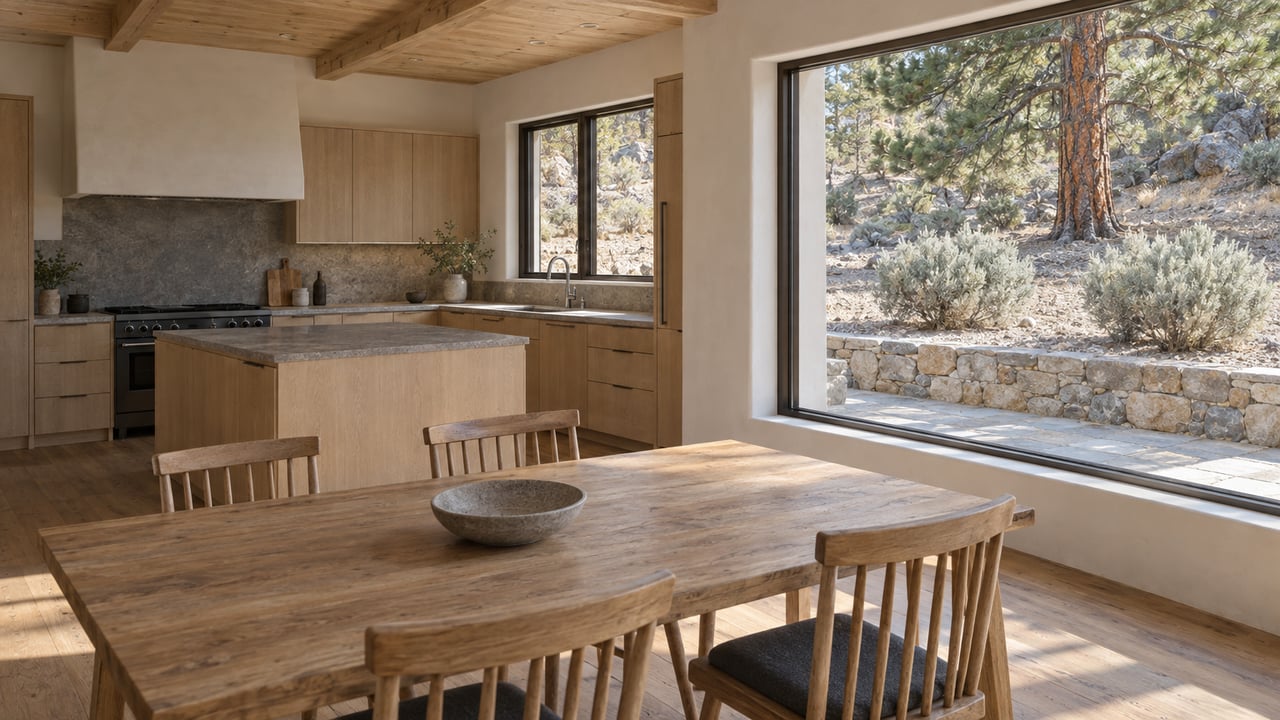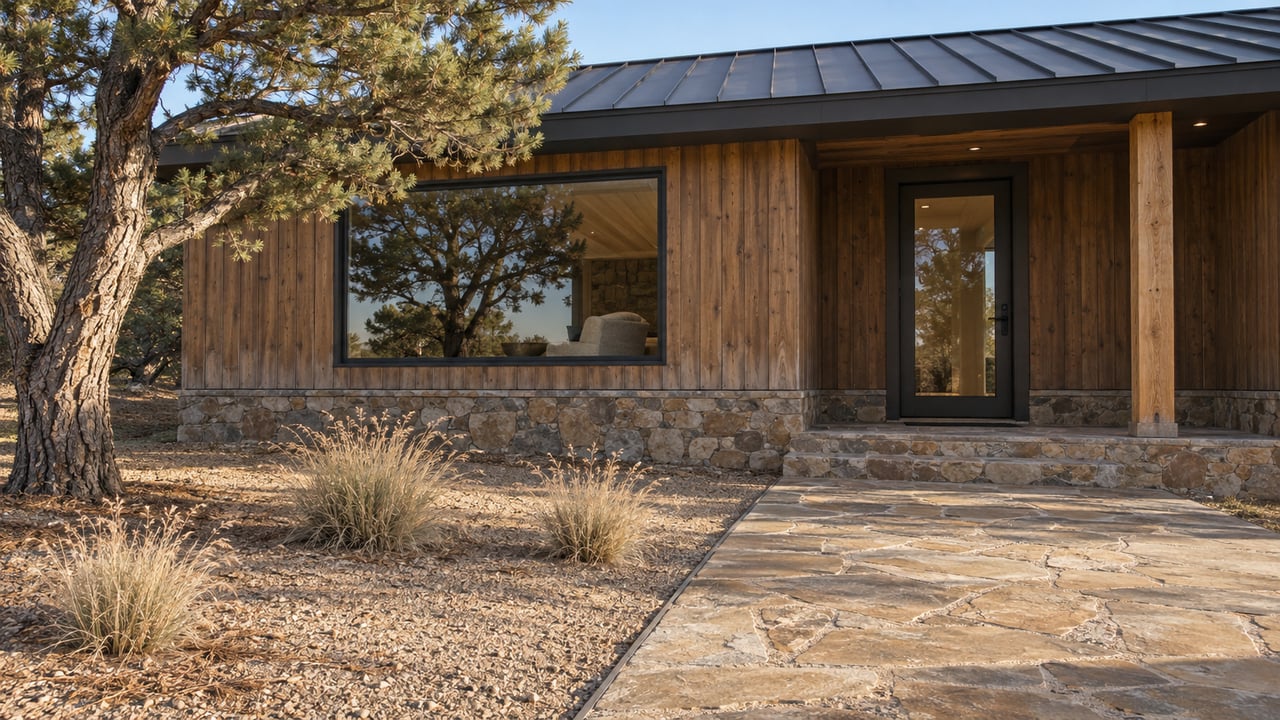
Buyers comparing a house in Howard with one in Salida usually compare the asking prices and the drive. The winter bill gets less attention, and in Howard it now depends heavily on the heating equipment inside the house. Howard isn't among the localities listed in Atmos Energy's natural gas tariff, so most Howard houses on the market will heat with propane or with electricity from Sangre de Cristo Electric Association. In July, SDCEA started charging members partly on their single busiest evening hour each month, and that charge rises on January 1.
So the furnace, boiler or heat pump in a Howard listing sets part of the bill before anyone looks at the thermostat. Two houses with the same square footage on the same stretch of US 50 can have very different winter bills.
Where the gas line stops
Atmos Energy's Colorado tariff, effective this fall, lists Buena Vista, Nathrop, Poncha Springs and Salida among its natural gas localities. It also says service may reach adjacent fringe and rural territory. Howard, Coaldale and Cotopaxi are not on that list. The tariff doesn't map individual roads, so check gas service by address with Atmos for any property near a town edge.
East of Poncha Springs along the river, SDCEA runs the power, including the Howard substation and the line through the Cotopaxi cutoff. According to the co-op's own account of its members, propane is the most common heating fuel among those who heat their homes, followed by natural gas and then electricity. An SDCEA representative gave that ranking to Buena Vista's trustees, as the Chaffee County Times reported. In the same coverage, a co-op official explained why its rates run higher than urban utilities'. SDCEA has about eight services per mile of line, while city systems have 20 to 50.
Unless Atmos confirms gas at a particular address, a Howard house's heating bill comes from a propane supplier, the co-op or both. The co-op bill is the one whose structure just changed.
One evening hour now sets part of the electric bill
On July 1, 2026, SDCEA lowered its residential energy rate from $0.14370 to $0.13026 per kilowatt-hour and added an on-peak demand charge of $2.50 per kilowatt. The co-op described the change as revenue-neutral overall. The demand charge is based on a member's highest one-hour demand between 5 and 9 p.m., Monday through Saturday, during the billing cycle. Most residential accounts read between 3 and 5 kilowatts. The residential rate schedule exempts six holidays, Thanksgiving Day among them.
On top of that, SDCEA charges a $42.36 monthly service availability charge in 2026 and an $8 monthly wildfire mitigation rider. According to SDCEA's 2027 rate review, on January 1, 2027 the availability charge goes to $44.36, the energy rate stays at $0.13026 and the peak demand charge rises from $2.50 to $3.90 per kilowatt. The co-op attributes the demand increase to higher wholesale demand charges from its power supplier.
The demand charge rises 56 percent while the per-kilowatt-hour rate stays flat. Starting in January, a home that draws a lot of power at 6 p.m. on a cold weeknight pays more than a home that uses the same total energy spread evenly across the day.
What each heating system adds at the 2027 rate
SDCEA publishes typical demand ranges for household equipment on its Shift. Stagger. Save. page. Multiplying those ranges by the demand rate shows what each system can add to a monthly bill if it runs during the peak window. These figures cover only the demand charge. They leave out kilowatt-hours used, the availability charge and the rider. The charge is based on the household's total draw in its busiest hour, so equipment running at the same time adds together.
| Equipment, per SDCEA's typical range | Typical demand | Demand charge at $2.50/kW, July–Dec 2026 | Demand charge at $3.90/kW, from Jan 1, 2027 |
|---|---|---|---|
| Electric furnace | 10–20 kW | $25.00–$50.00 | $39.00–$78.00 |
| Electric boiler | 9–15 kW | $22.50–$37.50 | $35.10–$58.50 |
| Cold-climate heat pump | 2.5–7 kW | $6.25–$17.50 | $9.75–$27.30 |
| Electric tank water heater | 3–5 kW | $7.50–$12.50 | $11.70–$19.50 |
| Well pump, running | 0.5–2 kW | $1.25–$5.00 | $1.95–$7.80 |
At the top of its range, an electric furnace in an older rural house can add $78 a month in demand charges from January, before it uses a single kilowatt-hour. A cold-climate heat pump heating the same rooms adds about a third of that at most. Two Howard listings at the same price with different equipment can have demand charges tens of dollars apart each month from December through March, and the listing sheet will show "electric heat" for both.
SDCEA advises members to avoid running several high-demand appliances during the 5-to-9 p.m. window and to shift some loads overnight or to midday. A house with an electric furnace, an electric water heater and an electric dryer can run all three at dinnertime, so a buyer of that house is also taking on a household schedule.
Propane houses have their own costs
Propane houses avoid most of that evening exposure, but propane has its own costs. The U.S. Energy Information Administration's weekly Colorado residential propane price for November 9, 2026 was $2.445 a gallon. That was $0.330 higher than the same week a year earlier. That figure is a statewide average, and delivered prices up the canyon are set by each supplier.
The tank matters as much as the price. AmeriGas, which has a service page for Howard, says leased tanks stay company property and can be filled only with AmeriGas propane. Customer-owned tanks aren't tied to one company. DeLuca Gas, whose office is at 10013 West Highway 50 in Poncha Springs, says it can replace another supplier's tank with its own and will contact the old provider to pick up the old tank. So the first questions about a propane house in Howard are who owns the tank and who is allowed to fill it, since those answers determine which suppliers' prices the buyer can choose from.
Comfurt Gas in Buena Vista has been in business since 1948 and serves Chaffee and Lake counties. It has a 150-gallon minimum delivery and tells seasonal and vacation-home customers to check their tanks and call when the level falls below 20 percent. For a second-home buyer who will be in Denver or Texas half the winter, that means deciding between automatic delivery and having someone local check the gauge.
Houses that use both fuels
SDCEA runs a heat pump rebate program for air-source and ground-source systems. The Tri-State program guide linked from that page, effective January 1, 2025, lists $500 for air-source systems up to 1.5 tons and $1,500 for larger ones. It adds a $500 bonus for qualifying dual-fuel systems that pair a heat pump with propane. Ground-source systems qualify for $500 per ton when new and $250 per ton for equipment-only replacements. The program has paid out locally at large scale. In November 2025, Ark Valley Voice reported that SDCEA gave the Buena Vista School District a $20,600 bill credit for an HVAC project that included a ground-source heat pump.
The demand table shows why dual-fuel setups fit this rate structure. A heat pump can carry the house through mild days, and propane can take over on the coldest evenings, when an all-electric system would push the peak reading highest.
The rates and rebates above are as published on the dates given and can change. This post is general information, not financial, tax or legal advice, so confirm figures for a specific property with the utility, the supplier or your own advisor.
If you're comparing heating systems on two houses along the river, ask us for the last twelve months of SDCEA and propane bills on any Howard listing you're considering, and we'll compare them with you before you write an offer. First Colorado Land Office has worked this stretch of the valley since 1973. Get in Touch Today.