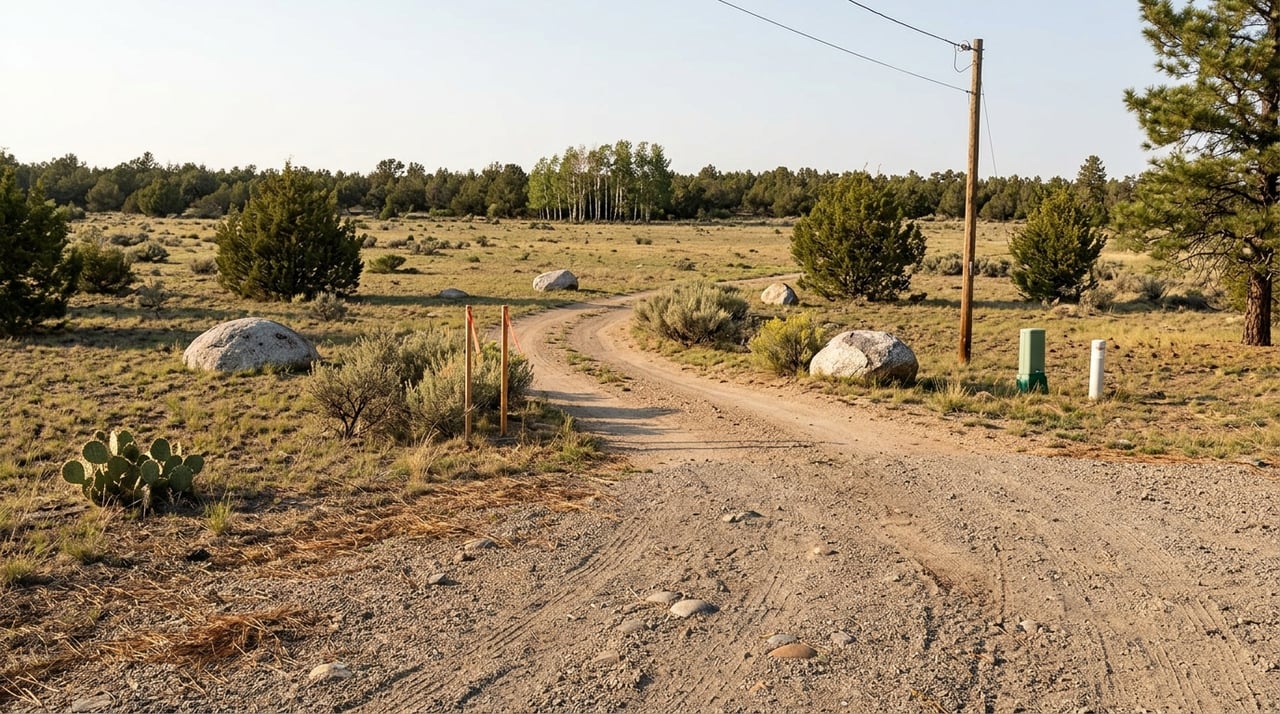
Buying vacant land in Buena Vista can feel exciting and a little overwhelming at the same time. You may be picturing mountain views, a future cabin, or a place to build your next chapter, but raw land comes with questions that homes do not. This guide will help you understand the key steps, local rules, and practical checkpoints so you can move forward with more confidence. Let’s dive in.
Start With Jurisdiction First
One of the most important first steps is figuring out whether the parcel is inside the Town of Buena Vista or in unincorporated Chaffee County. That single detail shapes which rules apply to zoning, development, road access, permits, and building requirements.
In-town parcels are governed by the Town of Buena Vista Municipal Code and zoning map. Unincorporated parcels fall under the Chaffee County Land Use Code, which took effect on January 1, 2025 and covers zoning, subdivisions, roads, development standards, and private-property use. If you skip this step, you can waste time evaluating a property under the wrong set of rules.
Understand What the Zoning Allows
Zoning tells you what you may be able to do with the land, but it is not something to guess at from a listing description. In Buena Vista, the allowed-use table is especially important because if a use is not specifically allowed, it is considered prohibited unless it receives the right approval.
For example, Buena Vista zoning includes residential, mixed-use and commercial, industrial, open-space and recreation, and airport-related districts. A parcel in an R-1 district is intended primarily for low-density single-family detached dwellings, while mixed-use districts are designed for more compact residential and commercial combinations. OSR districts are intended for open space and community recreation.
That means two lots with similar views or acreage may have very different potential. One may work as a homesite, another may support a mixed-use concept, and another may be limited by its district or special standards. Before you get attached to a plan, confirm the exact zoning and ask what approvals would be needed.
Planning Review May Be Required
For land inside town, Buena Vista Planning & Zoning handles zoning questions, development permits, annexation requests, and subdivision of unplatted land or replats. In practical terms, raw land inside town often needs planning review before it can move toward site work or construction.
The town also notes that planning entitlements are required before construction or site work when a project involves new development, land-use changes, property boundaries, or site layout. If the approval path is unclear, a pre-application meeting is recommended because some projects need more than one approval, and the order matters.
Check Access Before Anything Else
A beautiful parcel is far less useful if access is uncertain. With vacant land, you want to verify both legal access and practical access early in the process.
Legal access means the parcel has a documented way to reach a public or approved private road. Practical access means the road or driveway is actually usable for the type of project you have in mind, including construction, year-round travel, and service access.
In unincorporated Chaffee County, driveway or access permits are required for all single-family dwellings. Road-cut permits are also required for work in county right-of-way, and zoning signoff is required before a building permit will be issued.
Roads Can Vary by Season
Road conditions are a major part of land due diligence in Chaffee County. The county maintains about 300 miles of roads, but some receive limited or summer-only maintenance because of the area’s rural and mountainous conditions.
That matters if you are buying land for full-time use, seasonal use, or future construction. A parcel may look accessible in dry weather but present very different conditions during snow season or runoff. It is smart to understand what kind of maintenance the road receives and whether seasonal travel could affect your plans.
Easements Deserve a Close Look
Many vacant parcels depend on easements for driveways, utilities, or drainage. Recorded easements should be reviewed carefully so you understand who can use them, where they run, and whether anything could interfere with your intended use.
County land use standards require final plats to note easements and require those easements to be free from conflicting encumbrances. If a lot depends on a shared driveway or utility route, this review is especially important.
Water and Sewer Need Real Answers
Utilities are one of the biggest differences between buying a home and buying vacant land. With land, you need to confirm not just whether service exists, but whether the parcel can realistically support your future use.
For lots in town, Buena Vista’s utility information lists Sangre de Cristo Electric Association for electricity, Atmos Energy and Comfurt Gas for natural gas, and Buena Vista Sanitation District for sewer service. The Town’s Water Department handles water taps and water-service matters, while sewer questions go to the sanitation district.
For raw land in the county, the permit path is different. Chaffee County’s building guide says a permit package needs either a well permit or proof of municipal or central water service, plus an OWTS permit or proof of municipal or central sewer service.
Wells Are Not Automatic
If you are buying acreage and planning to drill a well, do not assume a permit is guaranteed. Colorado’s Division of Water Resources says every new well that diverts groundwater must have a permit, and it cannot confirm that a specific parcel will receive a well permit until a full evaluation is completed.
Colorado water law also follows prior appropriation, so ideas involving irrigation, ponds, or other water-dependent uses should be checked early. This is one of the most important reasons to do detailed land due diligence before closing.
Septic Approval Can Shape Your Build Plans
If a parcel will not connect to municipal sewer, you may need an Onsite Wastewater Treatment System, often called an OWTS. In Chaffee County, an OWTS permit must be approved before a building permit can be issued.
Some sites require engineer-designed systems. That can apply in situations such as commercial systems, floodplain sites, groundwater or bedrock within the profile hole, subdivision conditions, lots under one acre, or soil-driven conditions.
Chaffee County Public Health also notes that it does not perform OWTS inspections. For septic-related questions, the county building department is the right local starting point.
Review Floodplain and Site Constraints
Not every issue with land is obvious when you walk the property. A parcel may look buildable at first glance but still carry constraints tied to floodplain status, slope, wildfire exposure, or wildlife habitat.
Chaffee County says its GIS database provides parcel-level map layers for floodplain, steep slopes, wildfire risk, and wildlife habitat. Reviewing those layers early can help you avoid surprises and ask better questions before you commit.
If a parcel is in the floodplain, the county uses FEMA floodplain maps during permitting. In that case, foundation plans must be stamped by a Colorado-licensed architect or engineer, and an elevation certificate is required.
Site Work May Need More Than One Approval
A common mistake land buyers make is assuming that once they own the parcel, they can immediately begin clearing, grading, or building. In Buena Vista and Chaffee County, approvals often come in sequence, and one approval may depend on another.
That is why it helps to treat vacant land as a planning project, not just a real estate purchase. The right order of zoning review, utility feasibility, access confirmation, and permit work can save you time and money.
Match the Parcel to Your Goals
The best land purchase is not always the biggest lot or the one with the broadest view. It is the parcel that fits your intended use, budget, timeline, and tolerance for complexity.
If you want a simpler path to building, an in-town lot with available utility service may be worth a closer look. If you want privacy, views, or more elbow room, county acreage may offer that, but it can also bring more moving parts involving wells, septic, roads, easements, and seasonal access.
For rural acreage, Chaffee County’s Right to Ranch provisions may also matter. These address responsibilities and dispute resolution related to agricultural activities, which can be relevant depending on the parcel and surrounding land uses.
A Smart Buena Vista Land Checklist
Before you buy vacant land in Buena Vista, work through these core questions:
- Is the parcel inside Buena Vista town limits or in unincorporated Chaffee County?
- What is the zoning, and is your intended use specifically allowed?
- Does the parcel have legal access?
- What are the road conditions and maintenance expectations through the year?
- Are there recorded easements for access, utilities, or drainage?
- Is water available through town service, central service, or a potential well permit?
- Is sewer available, or will the parcel need an OWTS permit?
- Is the property in a floodplain?
- Do GIS layers show steep slopes, wildfire risk, or wildlife habitat constraints?
- Will your plans require planning review, subdivision review, or multiple permits?
This kind of checklist helps you compare parcels more clearly. It also helps you move from a dream-based search to a reality-based decision.
Why Local Guidance Matters
Vacant land can be one of the most rewarding property types to buy, but it also leaves more room for assumptions. In Buena Vista and across Chaffee County, details like jurisdiction, access, water, septic, floodplain status, and approval timing can all affect what a parcel is really worth to you.
That is where local experience matters. A brokerage with deep roots in Chaffee County can help you ask better questions, spot potential issues early, and line up the right local offices for answers while you evaluate your options.
If you are exploring land in Buena Vista or nearby areas, First Colorado Land Office can help you sort through the practical details and find a property that fits your goals.
FAQs
What should you verify first when buying vacant land in Buena Vista?
- First, verify whether the parcel is inside the Town of Buena Vista or in unincorporated Chaffee County, because that determines which zoning and development rules apply.
How do you check zoning for a Buena Vista land parcel?
- For in-town parcels, check the Town of Buena Vista zoning map and Municipal Code, and confirm whether your intended use is specifically allowed in the applicable district.
What access issues matter when buying land in Chaffee County?
- You should confirm legal access, review recorded easements, and understand actual road conditions, including whether the road has limited or seasonal maintenance.
Can you assume a Buena Vista area parcel will qualify for a well permit?
- No. Colorado’s Division of Water Resources says it cannot confirm that a specific parcel will receive a well permit until it completes a full evaluation.
What utility questions should you ask before buying vacant land?
- Ask whether the parcel has municipal water and sewer access, or whether it will require a well permit and an OWTS permit for wastewater service.
Why does floodplain status matter for vacant land in Chaffee County?
- If a parcel is in the floodplain, the county requires stamped foundation plans from a Colorado-licensed architect or engineer and an elevation certificate during permitting.
Where should you start with septic questions for Chaffee County land?
- Start with the Chaffee County building department, because the county building guide outlines OWTS permit requirements and Chaffee County Public Health does not perform OWTS inspections.